
Your Professional Contactor Supplier
We are a leading contactor manufacturer, importer, exporter and distributor of industrial control products and AC/DC fans in Taiwan. We are committed to providing total solutions for distributed energy saving in industrial facilities, commercial or residential buildings, and providing customers with one-stop shopping, nationwide operations and complete after-sales consultation with local services.
Why Choose Us
Industry-leading distributor
We are a leading importer, exporter and distributor of power distribution products, industrial control products and AC/DC fans in Taiwan.
Abundant product line
We offer a wide range of products, including power fuses, capacitors, power distribution equipment, industrial controllers, and AC/DC fans, to meet the needs of different sectors, covering power distribution systems for industrial, commercial, and residential buildings.
Perfect service system
With 33 years of experience in the industry, RST provides customers with a complete after-sales consultation of one-stop shopping, nationwide operations and local services,
A safe and efficient turnkey solution
I provide safe and reliable products and services to make electricity management more convenient, safe and efficient
-

Schneider Contactor LC1D09M7
Brand Name: Schneider. Product Name: Contactor. Type: LC1D09M7. Electricity Type: AC. Lead Time: in stock. Shipping Method: DHL/ TNT/ FEDEX/ AIR/ OCEAN. Payment Method: Wire Transfer/ West Union/ Add to Inquiry -
Schneider Electric Contactor LC1D18B7
Large lighting installations, such as an office building or a retail store, are frequently controlled by contactors. Latching contactors, which contain two functioning coils, are used to reduce power Add to Inquiry -
Schneider Contactor LC1D09M7
The readings on the volt-ohmmeter should generate the same reading of 0 ohms and direct short. If it does not, check if the coils are properly linked or try to cycle the control switch of the coil if Add to Inquiry -
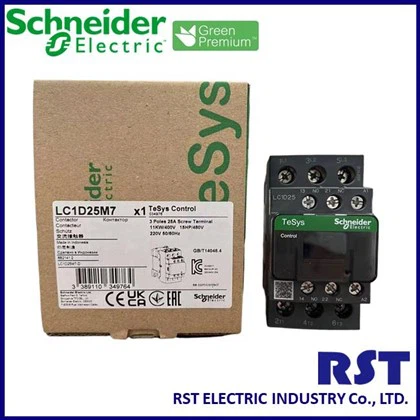
Schneider ac Contactor LC1D25M7
Brand Name: Schneider. Product Name: Contactor. Type: LC1D25M7. Electricity Type: AC. Lead Time: in stock. Shipping Method: DHL/ TNT/ FEDEX/ AIR/ OCEAN. Payment Method: Wire Transfer/ West Union/ Add to Inquiry -
Schneider ac Contactor LC1D80M7
Brand Name: Schneider. Product Name: Contactor. Type: LC1D80M7. Electricity Type: AC. Lead Time: in stock. Shipping Method: DHL/ TNT/ FEDEX/ AIR/ OCEAN. Payment Method: Wire Transfer/ West Union/ Add to Inquiry -
Schneider Magnetic Contactor LC1D95M7
Brand Name: Schneider. Product Name: Contactor. Type: LC1D95M7. Electricity Type: AC. Lead Time: in stock. Shipping Method: DHL/ TNT/ FEDEX/ AIR/ OCEAN. Payment Method: Wire Transfer/ West Union/ Add to Inquiry -
Schneider TeSys D Contactor LC1D115M7
Brand Name: Schneider. Product Name: Contactor. Type: LC1D115M7. Electricity Type: AC. Lead Time: in stock. Shipping Method: DHL/ TNT/ FEDEX/ AIR/ OCEAN. Payment Method: Wire Transfer/ West Union/ Add to Inquiry -
Schneider Contactor LC1D150M7
Brand Name: Schneider. Product Name: Contactor. Type: LC1D150M7. Electricity Type: AC. Lead Time: in stock. Shipping Method: DHL/ TNT/ FEDEX/ AIR/ OCEAN. Payment Method: Wire Transfer/ West Union/ Add to Inquiry -
Schneider TeSys D Contactor LC1D38BL
LC1C38BL. Brand Name: Schneider. Product Name: Contactor. Type: LC1D38BL. Electricity Type: DC. Lead Time: in stock. Shipping Method: DHL/ TNT/ FEDEX/ AIR/ OCEAN. Payment Method: Wire Transfer/ West Add to Inquiry -
Schneider Electric Contactor LC1D18B7
LC1C18B7. Brand Name: Schneider. Product Name: Contactor. Type: LC1D18B7. Electricity Type: AC. Lead Time: in stock. Shipping Method: DHL/ TNT/ FEDEX/ AIR/ OCEAN. Payment Method: Wire Transfer/ West Add to Inquiry -
Schneider Magnetic Contactor LC1D09BD
LC1C09BD. Brand Name: Schneider. Product Name: Contactor. Type: LC1D09BD. Electricity Type: DC. Lead Time: in stock. Shipping Method: DHL/ TNT/ FEDEX/ AIR/ OCEAN. Payment Method: Wire Transfer/ West Add to Inquiry -
Schneider Contactor LC1D12BD
LC1C12BD. Brand Name: Schneider. Product Name: Contactor. Type: LC1D12BD. Electricity Type: DC. Lead Time: in stock. Shipping Method: DHL/ TNT/ FEDEX/ AIR/ OCEAN. Payment Method: Wire Transfer/ West Add to Inquiry




Advantages of Contactor
Handling high currents
Contactors is used to control large currents, which make them suitable for controlling heavy-duty electrical loads like motors, heaters, and lighting circuits etc.
Arc suppression
Many contactors provide features such as arc chutes or magnetic blowouts to subdue arcs when contacts open, increase safety and extend contact life.
Compact design
They are available in different sizes and configurations, which make suitable for flexibility in installation and space-saving designs.
Longevity
By doing proper maintenance and care, contactors can have a long operational life, and make it cost-effective for long-range duration.

Applications of Contactor
Motor control
Contactors are often used to control the operation of electric motors. They can turn motors on or off and, in some cases, provide additional features such as motor reversing or speed control.
Lighting control
Contactors are used to control large lighting fixtures, such as stadium lights or streetlights. They allow for centralized control and can handle the high currents required for these applications.
Hvac systems
Contactors are often used in heating, ventilation, and air conditioning (hvac) systems. They control the flow of current to components such as compressors, fans, and motors in hvac units.
Industrial machinery
Contactors are used to control a variety of electrical components and systems in industrial machinery and equipment. They provide reliable switching and control for motors, pumps, conveyors, and other heavy electrical loads.
Power distribution
Contactors are sometimes used in power distribution systems to control the flow of current between different circuits or to isolate parts of a system for maintenance or safety purposes.
All You Need to Know Before Purchasing an Electrical Contactor
Electrical load
The first factor to consider is the electrical load that the contactor will handle. Determine the current rating and voltage requirements of your system. It's crucial to select a contactor that can handle the specific load to prevent overheating or failure. Make sure to check the manufacturer's specifications and choose a contactor with an appropriate ampere rating and voltage compatibility.
Contact configuration
Contactors come in different configurations, including normally open (no), normally closed (nc), or changeover. Consider the requirements of your electrical system and select a contactor with the appropriate contact configuration. For instance, no contactors are commonly used for switching on motors, while nc contactors are suitable for safety applications where power needs to be cut off in case of an emergency.
Coil voltage
Coil voltage is another crucial factor when choosing an electrical contactor. The coil voltage should match the control voltage available in your system. Common coil voltages include 24v, 120v, or 240v. Using a contactor with the wrong coil voltage can lead to malfunction or failure, so ensure compatibility between the control voltage and the contactor's coil voltage.
Environmental considerations
Consider the environmental conditions in which the contactor will operate. If the contactor will be exposed to dust, moisture, or extreme temperatures, select a contactor with appropriate environmental ratings such as nema (national electrical manufacturers association) or ip (ingress protection) ratings. These ratings indicate the level of protection the contactor offers against environmental factors.
Brand reputation and quality
Choose contactors from reputable brands known for their reliability and quality. Research and read customer reviews to gauge the performance and durability of the contactors. Investing in a reliable and well-known brand May cost more initially but can save you money in the long run by avoiding frequent replacements or repairs.
Auxiliary contacts and accessories
Consider whether you require additional features such as auxiliary contacts or accessories. Auxiliary contacts allow for additional control or signaling functions in your electrical system. Some contactors also offer optional accessories like overload relays or surge suppressors, which can enhance the functionality and protection of your system. Evaluate your needs and choose a contactor that offers the desired auxiliary contacts or compatible accessories.
Compliance with standards
Ensure that the contactor meets the necessary safety and performance standards for your region. Look for certifications such as ul (underwriters laboratories), csa (canadian standards association), or iec (international electrotechnical commission) to ensure the contactor meets the required standards and regulations.
We Offer Contactor Options
Shape
With our custom service, you can choose the size and shape of your vacuum contactor. Just give us the size and structure you need and we will deliver.
Material
At RST, you are free to choose the material you need for your custom vacuum contactor. Just send us the design of the vacuum contactor and the indication of the material you need and we will do the rest.
Technical parameters
Our customers have the right to decide the number of poles and rated current they prefer. RST follows the gb3906 and iec298 manufacturing standards, so rest assured that the vacuum contactors we produce meet global standards.
Package
Even for the packaging of the vacuum contactor, you are free to choose the material that suits your product. You can choose wooden boxes, cartons or pallets.
We pay attention to your problems and excel in providing customized solutions that suit your business. Through our supply network and resources, we can manufacture and source vacuum contactors to improve your operations and solve specific problems.

FAQ
As one of the most professional contactor suppliers, we warmly welcome you to buy original contactor in stock here from our factory. All our products are with high quality and competitive price. For more information, contact us now.
ac dc contactor